


The Future of Public Transit: How AI Is Driving Smarter, Safer, and More Sustainable Mobility
Introduction
The public transportation sector is undergoing a major transformation. As urban populations grow and infrastructure strains under demand, agencies must rethink how mobility is managed, delivered, and experienced.
Artificial Intelligence (AI) is now a cornerstone of this evolution. By enabling predictive insights, real-time optimization, and intelligent automation, AI helps transit systems operate more efficiently, adapt to change, and deliver safer, more reliable service.
At Epikso, we partner with transit agencies to modernize operations, reduce costs, and future-proof mobility infrastructure through advanced AI and data solutions.
Where AI Is Transforming Public Transit
1. Predictive Maintenance for Fleet and Infrastructure
Buses, light rail, and subway systems rely on complex equipment prone to wear and failure. AI-powered predictive maintenance uses sensor data to detect issues before they cause disruptions.
Benefits:
- Fewer service interruptions
- Lower maintenance costs
- Longer asset lifespan
Example: The New York MTA used AI via Google TrackInspect to detect 92% of track defects before human inspectors identified them.
2. Dynamic Route Optimization
Traditional fixed routes can’t adapt to traffic, weather, or fluctuating passenger demand. AI algorithms analyze these variables in real time to optimize schedules and reduce idle time.
Benefits:
- Improved on-time performance
- Reduced fuel use and emissions
- Better rider satisfaction
Example: Shanghai’s Route 9 used Alibaba’s AI to dynamically adjust bus routes based on passenger app requests.
3. Automated Traffic Enforcement
AI-powered computer vision on buses and intersections can detect illegal parking, lane misuse, or unsafe driving automatically. Violations are processed digitally, reducing manual enforcement and improving safety.
Benefits:
- Clearer bus and bike lanes
- Safer pedestrian crossings
- Faster, fair enforcement
Example: The Sacramento Regional Transit District used AI cameras to issue 2,800+ lane violations, improving safety and traffic flow.
4. Real-Time Passenger Information
AI improves the accuracy of arrival predictions and provides riders with live updates through apps, signage, and SMS alerts. Machine learning continuously refines these forecasts over time.
Benefits:
- Reduced wait anxiety
- Improved accessibility
- Better trip planning
Example: Transport for London uses AI to deliver precise bus arrival times from real-time and historical data.
5. Intelligent Surveillance and Security
Safety remains a top priority for transit agencies. AI-enabled cameras and analytics can detect abnormal movement, unattended objects, or crowd surges—alerting staff in real time.
Benefits:
- Faster response to incidents
- Enhanced passenger safety
- Data-driven crowd management
Example: Network Rail (UK) tested AI to analyze passenger behavior and emotions in stations to improve safety and service.
6. AI-Powered Rail Crossing Safety Enhancements
Rail crossings remain critical safety points in dense urban areas. Caltrain implemented AI and machine learning to monitor crossings via cameras that detect obstacles and alert operators in real time.
Benefits:
- Reduced collision risk
- Instant hazard alerts
- Better operator awareness
Example: Caltrain’s AI Safety Initiative enhances rail crossing safety and reduces pedestrian and vehicle incidents.
The Strategic Value of AI in Transit
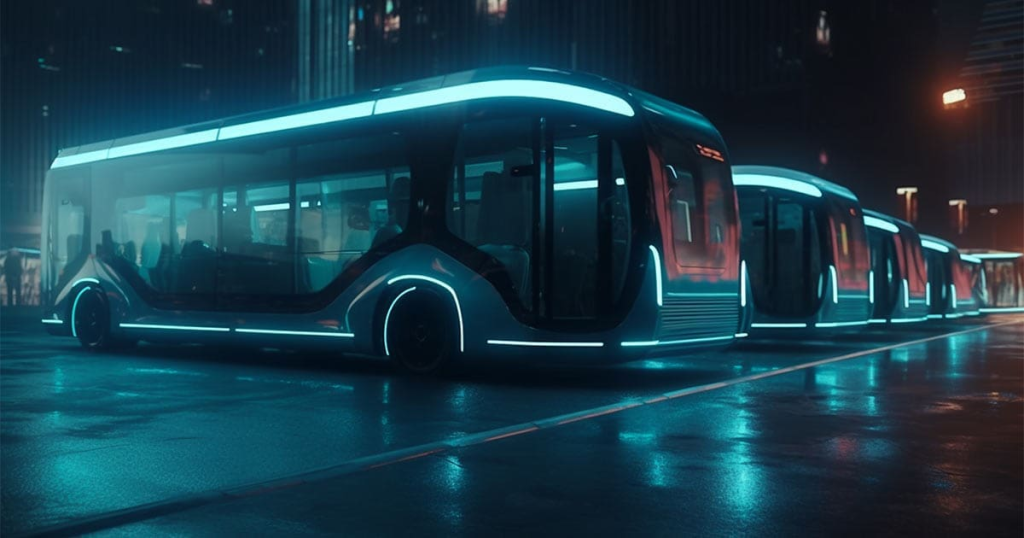
AI goes beyond automation—it’s a strategic accelerator for transportation agencies seeking to:
- Modernize operations and replace aging infrastructure
- Build resilience against disruptions and demand spikes
- Meet sustainability and emission targets
- Improve the passenger experience with data-driven personalization
Key Challenges to Overcome
Despite the potential, successful AI adoption requires addressing:
- Data quality and integration issues from legacy systems
- Privacy and ethical governance for AI surveillance and analytics
- Workforce training to interpret and act on AI insights
- Cost and scalability for deploying systems across large fleets
How Epikso Can Help
At Epikso, we deliver AI platforms designed for public transit—built to be secure, scalable, and compliant.
Our solutions include:
- Predictive analytics for maintenance and planning
- Real-time passenger communication systems
- AI-based traffic enforcement and security modules
- Unified dashboards for operations and compliance
Whether managing a mid-size fleet or a regional network, our team combines deep AI expertise with public sector insight to ensure smooth implementation and measurable impact.
Ready to make your transit network AI-ready? Let’s talk
References
- Wired – How NYC Subway Uses AI to Monitor Tracks
- Wired – On-Demand Bus Systems Powered by AI
- The Sun – AI Cameras Catch Bus Lane Violations in Sacramento
- Transport for London – Live Bus Arrival Time Improvements
- The Times UK – AI in Train Station Surveillance
- Caltrain – AI Enhancements for Rail Crossing Safety
Data Modernization: Building the AI-Ready Enterprise
How AI Is Reshaping the Future of the Energy Sector
Epik Solutions: AI-Driven Hiring Redefining Talent Acquisition
About Author

David Miller
Digital marketing consultant with 15+ years' experience. Primarily focused on consulting companies on their digital presence while helping them grow technology for attribution and advertising. Worked with brands and created product roadmaps, created and managed multivariate testing, performed site optimization to increase organic traffic, improved conversion rate on e-commerce sites, and created monetization plans for the largest business websites in the US.