


How AI Is Reshaping the Future of the Energy Sector
Introduction
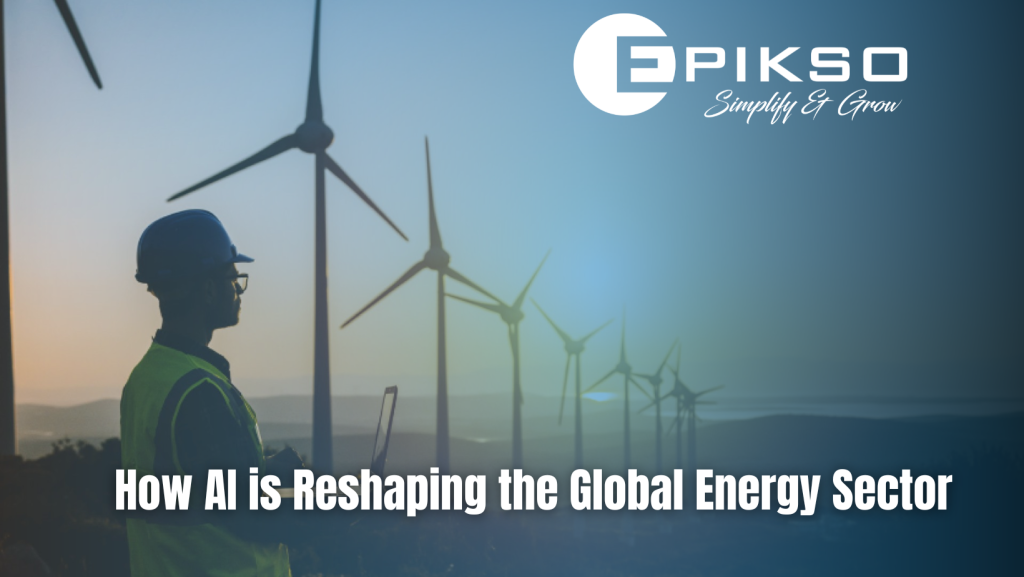
The global energy landscape is experiencing a historic transformation. Driven by climate urgency, rising demand, and rapid technological advances, utilities, grid operators, and energy producers are being challenged to rethink how energy is generated, distributed, and consumed.
Artificial Intelligence (AI) has become one of the key drivers of this shift. By providing predictive insights, automating complex systems, and optimizing real-time decisions, AI is not just modernizing infrastructure—it’s reshaping the future of sustainable power.
At Epikso, we help energy organizations leverage AI to accelerate their digital transformation journeys, improve efficiency, and reach their sustainability goals.
Key Areas Where AI Is Transforming Energy
1. Smart Grid Optimization
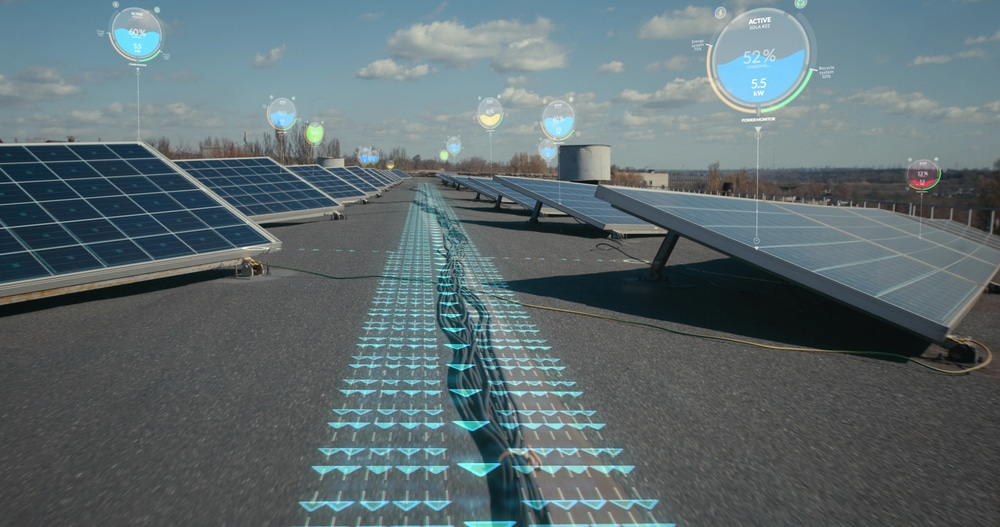
Traditional grids were designed for one-way electricity flow—from centralized plants to consumers. Modern energy systems must manage distributed energy resources (DERs) such as rooftop solar, wind farms, EV chargers, and battery storage.
AI enables utilities to:
- Predict demand and supply fluctuations
- Detect and respond to outages faster
- Automate load balancing across decentralized networks
- Reduce transmission losses and infrastructure strain
By integrating machine learning algorithms into grid management, operators can manage complexity more effectively and ensure energy stability in real time.
2. Renewable Energy Forecasting
Renewables like wind and solar are variable by nature. AI helps overcome this challenge by analyzing weather patterns, sensor data, and historical performance to forecast energy output with high precision.
This improves the reliability and market value of renewable energy, making it more predictable and less dependent on fossil-fuel backups.
Example: DeepMind and Google applied machine learning to wind farms in the U.S., boosting forecast accuracy by 20% and increasing the economic value of generated energy.
3. Energy Trading and Market Intelligence
AI is revolutionizing energy trading by analyzing real-time data, global news, weather updates, and geopolitical signals to identify pricing patterns and execute optimized trades.
Benefits for utilities and energy providers:
- Smarter hedging and pricing strategies
- Faster reaction to volatile market shifts
- Improved profitability and operational visibility
By using AI-driven market intelligence, organizations gain a competitive advantage in highly dynamic markets.
4. Predictive Maintenance for Energy Infrastructure
Turbines, transformers, and substations are the backbone of the energy system and their failure can be costly. AI-powered predictive maintenance combines real-time sensor data with historical performance to detect anomalies before breakdowns occur.
This enables maintenance teams to:
- Schedule proactive repairs
- Prioritize site visits efficiently
- Avoid unplanned downtime
The result: lower costs, higher reliability, and better compliance with safety and environmental regulations.
5. Customer Energy Insights and Demand Response
AI is transforming the customer side of the energy equation. Utilities now use AI platforms to help consumers monitor and optimize their own energy use.
These insights support demand response programs, encouraging users to reduce or shift consumption during peak hours—benefiting both the grid and the environment.
Benefits:
- Energy savings for customers
- Lower peak-hour stress on grids
- Reduced carbon emissions
The Strategic Role of AI in the Energy Transition
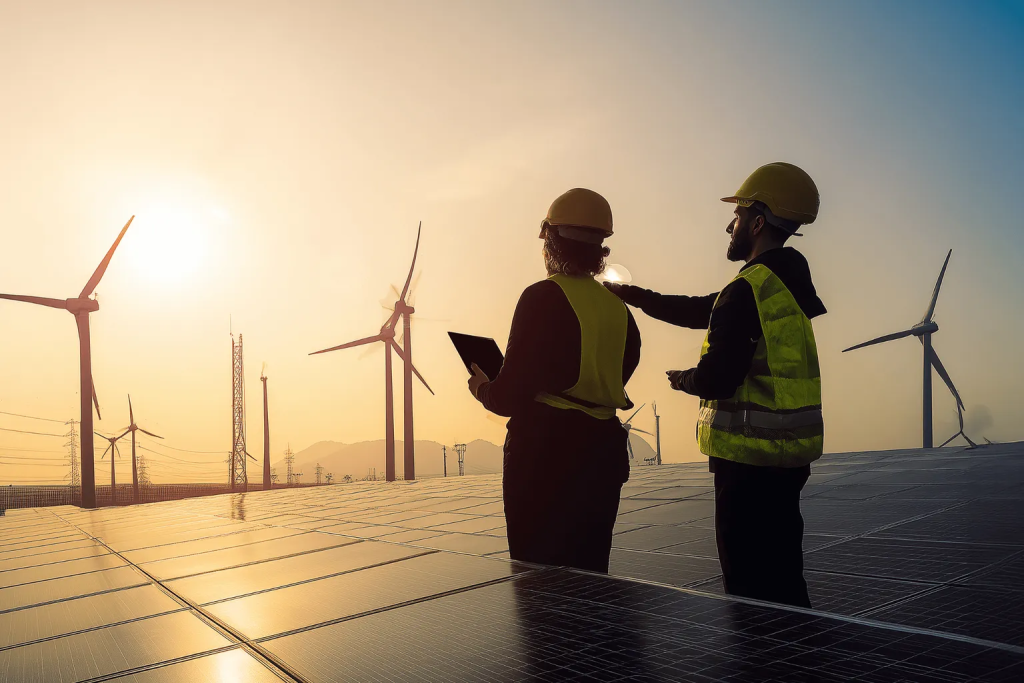
AI is more than a tool, it’s a strategic catalyst for the global energy transition. It supports:
- Decarbonization: Accelerating the integration of renewables
- Decentralization: Enabling smarter, localized generation and storage
- Digitization: Turning raw energy data into actionable intelligence
Organizations that adopt AI early can improve performance, cut costs, and strengthen sustainability leadership.
Challenges and Considerations
While AI offers transformative benefits, adoption in the energy sector still faces challenges:
- Data silos and limited real-time data access
- Legacy systems incompatible with modern AI models
- Workforce readiness and lack of digital training
- Ethical governance and transparency in automation
To succeed, energy leaders must develop robust data strategies, invest in digital infrastructure, and partner with technology experts who understand both the energy and AI domains.
How Epikso Can Help
At Epikso, we design and deploy AI-enabled platforms that help energy organizations:
- Automate grid operations
- Optimize asset performance through digital twins
- Build intelligent dashboards for decision support
- Advance sustainability and efficiency outcomes
Whether you’re a global utility or a regional energy provider, we bring together domain expertise, scalable technology, and measurable impact to accelerate your energy transformation journey.
Ready to make your energy systems AI-ready? Let’s connect.
References
- DeepMind – Machine Learning Can Boost the Value of Wind Energy
- International Energy Agency (IEA) – Digitalization & Energy
- McKinsey & Company – AI and Analytics in Energy: The Next Frontier
- World Economic Forum – AI for Energy Transformation
- Microsoft – How AI and Cloud Are Powering the Energy Sector
The Future of Public Transit: How AI Is Driving Smarter, Safer, and More Sustainable Mobility

How Digital Process Transformation is making On-Field Activities more transparent?

Epik Solutions: AI-Driven Hiring Redefining Talent Acquisition
About Author

David Miller
Digital marketing consultant with 15+ years' experience. Primarily focused on consulting companies on their digital presence while helping them grow technology for attribution and advertising. Worked with brands and created product roadmaps, created and managed multivariate testing, performed site optimization to increase organic traffic, improved conversion rate on e-commerce sites, and created monetization plans for the largest business websites in the US.