

Why GIS Is Becoming a Core System for Infrastructure Modernization
Introduction

Infrastructure is no longer just physical, it is becoming intelligent, connected and constantly evolving increasingly digital, connected, and data-driven. As organizations modernize utilities, transportation systems, and urban environments, they require platforms that can unify data, enable real-time insights, and support smarter decision-making.
At the center of this transformation is Geographic Information Systems (GIS).
Once primarily used for mapping and visualization, GIS has evolved into a core enterprise system that integrates geospatial data with analytics, operational workflows, and real-time intelligence. Today, it supports everything from smart grids to digital twins—making it a foundational technology for infrastructure modernization.
From Mapping Tool to Enterprise Platform
GIS is undergoing a major shift—from a visualization tool to a system of record and system of insight.
Modern GIS platforms now support the entire infrastructure lifecycle, including planning, design, operations, and maintenance. This transformation is being driven by several key advancements:
- Cloud-native architectures that enable scalability and collaboration
- Integration with AI, IoT, and advanced analytics
- Advanced data models such as utility networks
- The ability to process real-time data streams
GIS is not just enabling better visibility—it is powering digital twins that allow organizations to simulate, predict, and optimize infrastructure in real time.
As organizations move toward cloud-based environments, partnering with experienced providers like Epikso becomes critical to ensure scalability, performance, and long-term efficiency.
As a result, GIS is no longer a supporting function—it is becoming mission-critical infrastructure technology that connects systems and enables enterprise-wide visibility.
Why GIS Is Central to Infrastructure Modernization
1. A Single Source of Truth
Infrastructure ecosystems are complex, involving multiple stakeholders and disconnected systems. GIS addresses this challenge by creating a unified geospatial data environment.
By integrating data such as assets, terrain, environmental conditions, and networks, GIS enables organizations to make more accurate decisions and reduce inefficiencies across operations.
2. Real-Time Visibility and Operational Intelligence
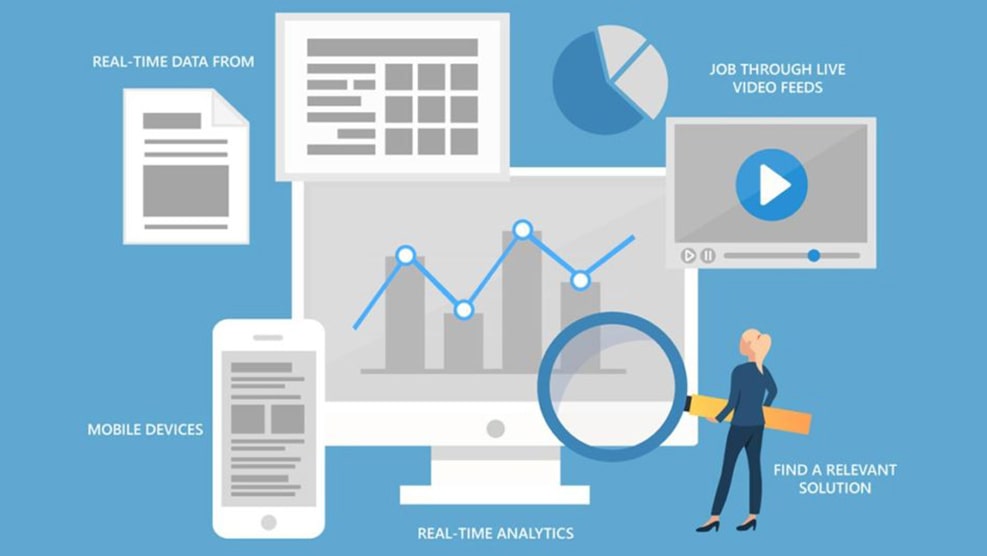
Modern infrastructure requires real-time awareness. GIS provides live insights into infrastructure assets, allowing organizations to:
- Monitor system performance
- Detect disruptions or outages
- Optimize operational workflows
For example, ensuring reliable data collection in field operations is critical, which is why solutions like Esri’s Survey123 play a key role in maintaining data integrity and continuity. Learn more about how this works in practice in Ensuring Reliability with Esri’s Survey123 Fail-Safe Features
3. Predictive and Proactive Operations
With the integration of AI and analytics, GIS is enabling a shift from reactive to predictive operations.
Organizations can now:
- Anticipate equipment failures
- Simulate operational scenarios
- Identify risks before they escalate
This proactive approach helps reduce costs, improve reliability, and build more resilient infrastructure systems.
4. Enabling Smart Cities and Sustainability
GIS plays a critical role in the development of smart cities and sustainable infrastructure.
It supports:
- Urban planning and land use optimization
- Traffic and mobility management
- Environmental monitoring
- Emergency response systems
By connecting data across domains, GIS enables more efficient resource allocation and better long-term planning.
5. Integration Across Enterprise Systems
Modern GIS platforms integrate seamlessly with key enterprise and operational systems, including:
- SCADA systems
- Asset management platforms
- Customer information systems
- Workforce management tools
This integration allows organizations to make location-based decisions in real time, improving coordination and operational performance.
Key Trends Driving GIS Adoption
Cloud-First GIS
Cloud-based GIS platforms are enabling scalability, flexibility, and collaboration across distributed teams, while reducing infrastructure costs.
AI-Driven Analytics
Artificial intelligence enhances GIS capabilities by enabling automation, forecasting, and deeper insights into infrastructure performance.
Digital Twins
The combination of GIS and digital twins allows organizations to simulate real-world systems, test scenarios, and optimize performance before implementation.
Mobile and Field Enablement
Mobile GIS tools empower field teams with real-time access to data, enabling faster updates, improved accuracy, and better coordination between teams.
Industry Use Cases
Utilities
- Grid modernization
- Outage management
- Renewable energy planning
Transportation
- Traffic optimization
- Route planning
- Infrastructure development
Government & Public Sector
- Urban planning
- Disaster response
- Land management
Energy & Sustainability
- SCADA systems
- Asset management platforms
- Customer information systems
Challenges to Address
While GIS adoption is accelerating, organizations must address several challenges:
- Data quality and governance
- Integration with legacy systems
- Cybersecurity and data privacy
- Skills gaps in geospatial technologies
A successful GIS strategy requires aligning people, processes, and technology to ensure long-term success.
How Epikso Helps Modernize GIS
At Epikso, we help organizations transform GIS into a core enterprise capability that drives real business value.
Our services include:
- Migrating GIS platforms to cloud environments (AWS, Azure)
- Integrating GIS with enterprise systems and data platforms
- Enabling AI-driven geospatial analytics through Data & AI Services
- Supporting digital twins and connected infrastructure
- Optimizing field operations with real-time GIS solutions
Our approach ensures GIS becomes a strategic driver of efficiency, innovation, and resilience.
Conclusion
GIS is no longer just about maps—it is about infrastructure intelligence.
As organizations accelerate digital transformation, GIS is becoming the backbone that connects data, systems, and operations. Its ability to provide real-time, location-based insights makes it essential for building efficient, resilient, and future-ready infrastructure.
Organizations that elevate GIS into a core system will be better positioned to drive innovation, reduce risk, and unlock new value across their operations.
Modern organizations require more than basic technology; they need a strategic partner capable of integrating, scaling, and operationalizing GIS as a core enterprise capability. That’s where Epikso comes positioning in.
To explore more insights on GIS, digital transformation, and infrastructure innovation, follow Epikso on LinkedIn.
References
- Esri (2023). GIS for Infrastructure: Managing Assets and Modernizing Systems. Esri Industry Resources.
- PwC (2022). Geospatial Data: The Foundation for Digital Transformation. PwC Insights Report.
- Deloitte (2023). Smart Cities and the Role of Geospatial Intelligence. Deloitte Technology Trends.
- Schneider Electric (2022). Modernizing Utility Operations with GIS Integration. Schneider Electric Blog.
- Fortune Business Insights (2024). Geographic Information System (GIS) Market Size, Share & Industry Analysis.
- VertiGIS (2023). Top Trends in GIS for Infrastructure Modernization.
- Department of Transportation (2021). Geospatial Information Systems Strategic Plan.
Ready to transform your GIS into a core enterprise system?
Connect with Epikso to modernize your infrastructure with scalable, AI-powered geospatial solutions.
Let’s Connect
Ensuring Reliability with Esri’s Survey123 Fail-Safe Features

How AI Is Reshaping the Future of the Energy Sector

Enhancing Gas Utility Operations with GIS Technology
About Author

David Miller
Digital marketing consultant with 15+ years' experience. Primarily focused on consulting companies on their digital presence while helping them grow technology for attribution and advertising. Worked with brands and created product roadmaps, created and managed multivariate testing, performed site optimization to increase organic traffic, improved conversion rate on e-commerce sites, and created monetization plans for the largest business websites in the US.